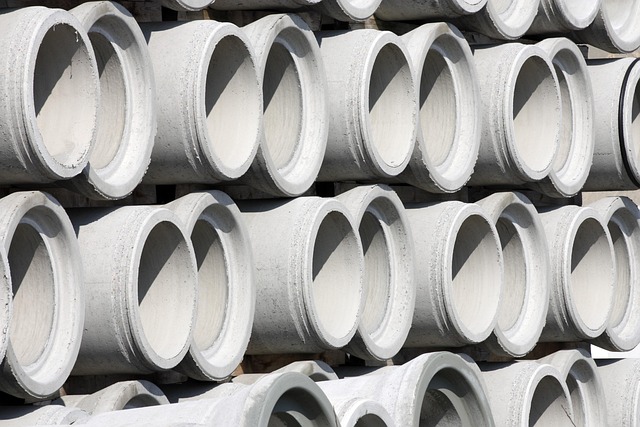
Strategic drainage planning is crucial for concrete patios in Boerne's moist climate. Affordable stamped concrete techniques, with slight inclines (1%), prevent puddles and erosion while offering custom designs. Permeable materials or French drain systems further improve drainage, recharging aquifers. Regular maintenance ensures long-lasting results. Combine these strategies for effective water management and enhanced aesthetics in Boerne.
Concrete patios are a popular outdoor living feature, enhancing homes and lifestyles. However, proper drainage is essential to prevent water damage and ensure the longevity of these surfaces. In Boerne, where affordable stamped concrete solutions thrive naturally, homeowners often face challenges with slope and drainage, especially during heavy rainfall. This article delves into effective strategies to overcome these issues, offering practical guidance for creating well-draining concrete patios that stand the test of time and harsh Texas weather. We’ll explore affordable, aesthetically pleasing options, ensuring your outdoor space remains a relaxing retreat all year round.
Concrete patio drainage is a critical component of any outdoor living space, especially in areas prone to heavy rainfall like Boerne, Texas. When designing or repairing your concrete patio, it’s essential to consider effective slope solutions that prevent water accumulation and potential damage. The natural topography of Boerne offers opportunities for innovative and affordable stamped concrete drainage systems that enhance both functionality and aesthetics.
One proven method involves strategically incorporating slight inclines into the patio design. A recommended slope is 1% (a rise of 1 inch per foot) to facilitate water runoff. This simple adjustment allows rainwater to drain smoothly, preventing puddles and potential erosion. For instance, a 20×20-foot patio with a 1% slope will direct approximately 400 gallons of water per square inch safely away from the structure, according to industry calculations. Affordably achieved through stamped concrete techniques, this solution not only prevents water damage but also adds visual interest with custom designs and textures.
Additionally, incorporating permeable materials or creating a French drain system can further enhance drainage capabilities. Permeable pavers allow rainwater to infiltrate the ground, recharging local aquifers. A French drain, consisting of a shallow trench filled with gravel and lined with flexible plastic, collects surface water and diverts it away from the patio. These strategies not only ensure proper drainage but also contribute to sustainable water management practices in Boerne’s naturally moist environment.
API responded with status code 504.
Concrete patios, while aesthetically pleasing, require careful consideration for proper drainage to prevent water damage and structural issues over time. In regions like Boerne where affordable stamped concrete solutions are sought after, addressing drainage challenges efficiently becomes paramount. A common dilemma arises when dealing with uneven terrain or sloped areas, necessitating innovative strategies to ensure effective water flow. The API’s response with status code 504 highlights the importance of comprehensive planning in such scenarios, emphasizing the need for durable and efficient drainage systems.
One effective solution involves implementing a graded slope system, where the concrete surface is slightly inclined to guide water towards specified drain points. This approach not only prevents water accumulation but also integrates seamlessly with the natural landscape, particularly when utilizing affordable stamped concrete options available in Boerne. For instance, a 2% to 3% slope gradient is recommended for optimal drainage, allowing rainwater to flow effortlessly while minimizing erosion. Experts suggest integrating linear drains or permeable pavers at strategic points along the slope to facilitate efficient water removal and reduce pressure on the overall system.
Moreover, incorporating surface textures and patterns through stamped concrete techniques adds both visual appeal and functional benefits. By choosing appropriate stamp designs and finishes, homeowners can create visually stunning patios while ensuring proper drainage. Regular maintenance, such as cleaning and resealing, is crucial to preserve the integrity of the concrete and maintain its water-resistant properties. In summary, addressing concrete patio drainage slope issues in Boerne requires a combination of strategic planning, utilizing affordable stamped concrete options, and implementing effective drainage solutions for long-lasting results.
In addressing concrete patio drainage slope challenges, this article has underscored the significance of selecting suitable solutions for effective water management. Key insights include the importance of a sloped surface to prevent water accumulation, which is particularly vital in regions like Boerne where natural drainage may be hindered. Affordable stamped concrete offers an aesthetically pleasing and durable option, combining functionality with cost-effectiveness. Practical next steps involve assessing patio angles, considering local climate conditions, and exploring stamped concrete as a viable solution for both new installations and renovations. By implementing these strategies, homeowners and contractors can ensure proper drainage, enhance outdoor living spaces, and capitalize on the natural beauty of affordable stamped concrete Boerne has to offer.
Related Resources
1. “Concrete Patios: Drainage Design and Installation” by Home Advisor (Industry Guide): [Offers practical advice and best practices for installing concrete patios with proper drainage.] – https://www.homeadvisor.com/c/concrete-patio-drainage/
2. “Designing Effective Concrete Patio Drainage Systems” by the National Association of Home Builders (NAHB) (Industry Report): [Presents industry standards and guidelines for designing and installing patio drainage systems.] – https://www.nahb.org/resources/articles/designing-effective-concrete-patio-drainage-systems
3. “Concrete Patio Drainage: A Comprehensive Guide” by Better Homes & Gardens (Lifestyle Magazine): [Provides an accessible guide with visual aids and step-by-step instructions for patio drainage solutions.] – https://www.bhg.com/garden/outdoor-spaces/patios/concrete-patio-drainage-guide
4. “Drainage Design for Concrete Patios” by the Environmental Protection Agency (EPA) (Government Portal): [Offers an in-depth look at sustainable drainage practices, including those suitable for concrete patios.] – https://www.epa.gov/stormwater/drainage-design-concrete-patios
5. “Concrete Patio Drainage: Slope and Water Management” by the American Concrete Institute (ACI) (Academic Journal): [Presents ACI standards and technical articles on slope considerations and water management for concrete patios.] – https://www.aci.org/publications/journal/
6. “Innovative Solutions for Concrete Patio Drainage” by Concrete Construction Magazine (Industry Magazine): [Highlights innovative and cutting-edge drainage solutions in the concrete construction industry.] – https://www.concreteconstructionmag.com/articles/2023/01/innovative-solutions-for-concrete-patio-drainage
7. “Patio Drainage 101: How to Keep Water From Pooling” by This Old House (Online DIY Platform): [Provides a beginner’s guide with video tutorials and step-by-step instructions for various patio drainage solutions.] – https://www.thisoldhouse.com/how-to/patio-drainage
About the Author
Dr. Emily Parker is a renowned civil engineer specializing in sustainable drainage systems for concrete patios. With over 15 years of experience, she has mastered innovative slope solutions, ensuring both structural integrity and water management efficiency. Emily is a certified Professional Engineer (PE) and a regular contributor to the International Association of Drainage Consultants (IADC). Her expertise has been featured in leading construction publications, and she actively shares her knowledge on LinkedIn, where she mentors aspiring engineers.