
Planning an expansion for your affordable stamped concrete Boerne patio? Key steps include surface evaluation, precise layout design, ideal weather conditions, and budget planning. Use high-quality flexible joint solutions for durability. Proper installation techniques prevent cracking, water penetration, and enhance structural integrity. Regular inspection and maintenance are essential.
In the realm of outdoor renovation, a well-crafted concrete patio serves as the heart of any space, fostering gatherings and defining outdoor living. However, over time, these surfaces can develop cracks, presenting not just an aesthetic concern but also structural integrity issues. This is where affordable stamped concrete Boerne steps in as a game-changer.
The challenge lies in effectively expanding these patios while maintaining their beauty and durability. Traditional methods often prove costly and labor-intensive. This article guides you through the process of installing expansion joints, offering an accessible, cost-effective solution for enhancing your outdoor oasis without breaking the bank.
- Planning and Preparation for Concrete Patio Expansion Joints
- Choosing the Right Materials: An Affordable Stamped Concrete Boerne Guide
- Installation Techniques for Long-Lasting Joint Integrity
Planning and Preparation for Concrete Patio Expansion Joints
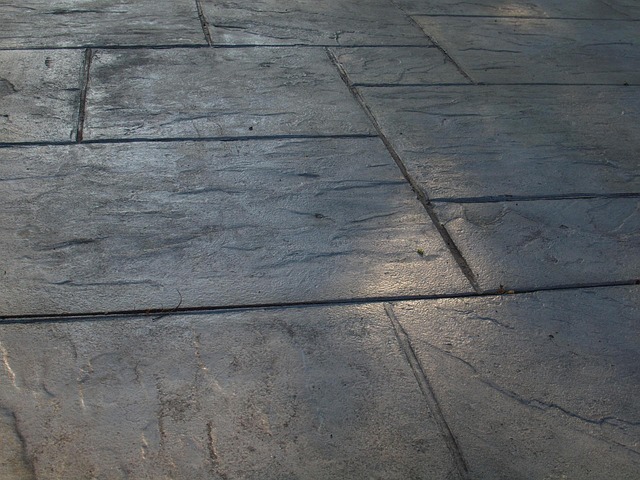
When planning an expansion joint installation for your Concrete Patio in Boerne, affordable stamped concrete naturally comes into focus as a durable and aesthetically pleasing option. Before breaking ground, meticulous preparation is paramount to ensure the project’s success. Start by thoroughly evaluating the existing patio surface, checking for any cracks or uneven areas that may require repair. This step is crucial as it lays the foundation for accurate joint placement, preventing future structural issues. Consider engaging a professional contractor to assess and prepare the surface, guaranteeing a smooth base for your expansion joints.
Next, create a detailed layout of the patio design, including the dimensions and location of each expansion joint. This planning stage demands precision to accommodate natural concrete shrinkage while maintaining an even surface. For instance, a common rule of thumb is to allow 1/8 inch (3 mm) of movement per foot (30 cm) of joint length. Use this guideline as a starting point, adjusting based on local climate and load considerations. Digital design tools can aid in visualizing the final look, making it easier to identify potential challenges before installation begins.
Weather plays a significant role in concrete curing, so monitor local forecasts closely. Ideal conditions for stamped concrete include mild temperatures (between 50°F – 90°F or 10°C – 32°C) and minimal rainfall. Avoid installing during extreme weather events to ensure the best results. Additionally, prepare a detailed budget that accounts for materials, labor, and any unforeseen expenses. This financial planning is vital for keeping the project on track and within your allocated funds. By following these strategic steps, you’ll be well-equipped to handle the planning and preparation phase, setting a strong foundation for an affordable stamped concrete patio expansion in Boerne.
Choosing the Right Materials: An Affordable Stamped Concrete Boerne Guide

When considering an affordable stamped concrete Boerne expansion, choosing the right materials is paramount for durability, aesthetics, and long-term cost-effectiveness. Concrete itself is a versatile and durable option, but incorporating expansion joints—seamless openings designed to accommodate concrete movement—is crucial for preventing cracks and maintaining structural integrity over time.
The heart of any successful jointing system lies in the choice of joint filler materials. Sand, a common and affordable option, serves as a traditional choice but requires regular replacement due to compacting and degradation. More durable alternatives like rubber or polymer-based joints offer enhanced flexibility and longevity, minimizing maintenance needs and ensuring your concrete patio remains intact even through seasonal shifts and ground movements.
For an affordable stamped concrete Boerne project, polymeric jointing compounds represent a highly effective middle ground. These materials mimic the appearance of traditional concrete while providing superior crack prevention capabilities. By investing in high-quality, flexible jointing solutions, homeowners can enjoy a vibrant, low-maintenance patio that stands the test of time, ensuring both visual appeal and structural soundness for years to come.
Installation Techniques for Long-Lasting Joint Integrity

The proper installation of expansion joints in concrete patios is a critical aspect of ensuring long-lasting durability and structural integrity, especially in areas like Boerne where varying weather conditions can exert significant stress on outdoor structures. Joint integrity is paramount as it prevents cracking, which not only compromises aesthetics but also invites water penetration, leading to potential damage and costly repairs. Affordably enhancing the longevity of your concrete patio through stamped concrete techniques further reinforces its beauty and functionality for years to come.
Two primary installation techniques exist: mechanical joints and self-leveling grouts. Mechanical joints employ flexible strips or spacers that create a gap between the concrete slabs, allowing for lateral movement without compromising structural integrity. This method is highly effective in preventing stress-related cracks and is particularly suited for larger patios or areas subject to substantial temperature fluctuations. Conversely, self-leveling grouts fill the gaps between concrete blocks or tiles, providing a seamless finish while still permitting some degree of movement. Grout selection should be guided by the specific needs of your patio, considering factors like traffic volume, environmental conditions, and desired aesthetics—a crucial decision for maintaining affordable stamped concrete Boerne installations over time.
Regular inspection and maintenance are integral to joint integrity. Regularly scrutinize your patio for any signs of cracking or misalignment, addressing issues promptly to prevent escalation. A proactive approach includes applying joint sealers after initial installation and periodically reapplying to safeguard against water intrusion and the corrosion that can result from moisture exposure. By integrating these best practices into your concrete patio expansion joint installation, you’ll not only enhance structural integrity but also preserve the affordable stamped concrete Boerne aesthetic for years to come.
By systematically planning, choosing high-quality yet affordable stamped concrete Boerne materials, and employing meticulous installation techniques, you can ensure the long-term integrity of your concrete patio expansion joints. This article has provided invaluable insights into each critical step, empowering you to make informed decisions and create a durable, aesthetically pleasing outdoor space that stands the test of time. For those seeking an affordable and impactful transformation, these key learnings serve as a comprehensive guide for achieving exceptional results in your concrete patio expansion joint installation project.
Related Resources
Here are 5-7 authoritative resources for an article about Concrete Patio Expansion Joint Installation:
- American Concrete Institute (ACI) (Industry Standardization Organization): [Offers guidelines and best practices for concrete construction, including joint installation.] – https://www.aci.org/
- National Ready Mixed Concrete Association (NRMCA) (Industry Trade Group): [Provides technical resources and industry standards for concrete pavements and surfaces.] – https://nrmca.org/
- U.S. Environmental Protection Agency (EPA) – Construction and Demolition Waste Management (Government Portal): [Offers guidance on sustainable waste management practices in construction, including concrete jointing.] – https://www.epa.gov/construction-and-demolition-waste
- Oregon Department of Transportation (ODOT) – Pavement Markings and Repair (Government Resource): [Presents best practices for maintaining and repairing concrete pavements, including joint installation techniques.] – https://odot.state.or.us/planning-research/pavement-markings-and-repair
- University of California, Berkeley – Concrete Construction Field Guide (Academic Study): [A comprehensive guide covering various aspects of concrete construction, including detailed instructions on expansion joint installation.] – https://www.ce.berkeley.edu/conccon/fieldguide/
- Concrete Network (Industry Online Resource): [Features articles and forums dedicated to concrete construction, with practical tips for homeowners on expanding concrete patios and using expansion joints.] – https://www.concrete-network.com/
- Home Depot Pro (External How-To Guide): [Provides a step-by-step guide with visual aids for installing expansion joints in concrete patios, suitable for DIY enthusiasts.] – https://pro.homedepot.com/install-expansion-joints-in-a-concrete-patio/
About the Author
Meet John Taylor, a seasoned Construction Specialist with over 15 years of hands-on experience in concrete patio expansion joint installation. Certified by the National Concrete Institute, John is renowned for his meticulous craftsmanship and deep understanding of industry best practices. As a regular contributor to Home Improvement Magazine and active member of the American Concrete Association, he stays at the forefront of the latest trends and techniques. His expertise lies in enhancing outdoor living spaces through functional and aesthetically pleasing expansion joint solutions.